
How Mita School Works with Universities to Give Students Real IT Experience (UNIUYO, Ritman, Topfaith)
In many universities across Nigeria today, students graduate with strong theoretical knowledge but limited practical experience.
This gap between what is taught in school and what is required in the real world has become one of the biggest challenges facing graduates, especially in technology-related fields.
To address this gap, Mita School has developed working relationships with several tertiary institutions, including:
- University of Uyo
- Ritman University
- Topfaith University
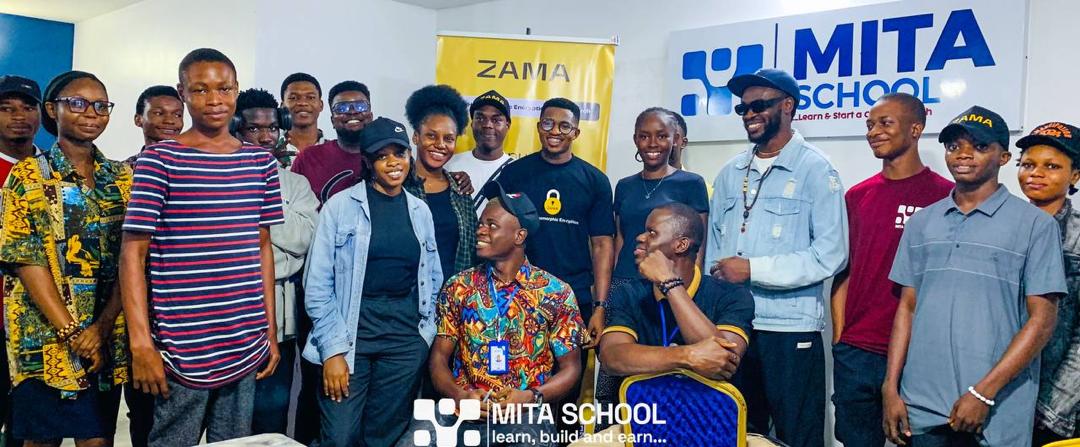
Through these collaborations, Mita School provides students with hands-on training, practical exposure, and industry-relevant experience in key areas of technology.
The Challenge: Theory Without Practical Application
Many students studying courses related to technology often encounter similar limitations:
- Limited access to real tools used in the industry
- Minimal hands-on experience
- Lack of structured exposure to real-world projects
- Difficulty transitioning from school to employment
While universities provide strong academic foundations, the fast pace of the tech industry requires continuous practical engagement.
Mita School’s Role in Bridging the Gap
Mita School complements university education by focusing on the practical side of learning.
Through its collaborations, the institution supports students in areas such as:
- Cybersecurity
- Programming and software development
- Data analysis
- Digital marketing skills
- Real-world project experience
The goal is simple:
Ensure that students are not only educated, but also industry-ready.
How the Collaboration Works
The relationship between Mita School and these universities is centered around practical training and IT placement support.
1. Student Participation in Training Programs
Students from partner institutions are introduced to structured training programs where they learn:
- Industry-relevant tools
- Modern development practices
- Practical problem-solving approaches
2. Hands-On Learning Approach
Rather than relying only on lectures, students are engaged in:
- Real-life projects
- Simulated work environments
- Practical assignments that reflect industry needs
This allows students to understand how things work beyond textbooks.
3. Exposure to Industry Tools and Workflows
Students gain familiarity with:
- Development environments
- Security tools
- Data analysis platforms
- Collaborative workflows used in real projects
4. Preparation for Opportunities Beyond School
Through this system, students are better prepared for:
- Internships
- Freelance opportunities
- Entry-level roles in tech
- Participation in innovation ecosystems
Benefits for Students
The impact of this collaboration is significant.
Students benefit in the following ways:
Improved Practical Skills
They gain hands-on experience that strengthens their understanding of concepts.
Better Career Readiness
Students become more confident when applying for jobs or internships.
Stronger Portfolios
Working on real projects helps them build credible portfolios.
Increased Exposure
They are introduced to opportunities outside the university system.
Supporting IT Placement and Skill Development
For many students, IT placement (SIWES or industrial training) is often treated as a formality.
Mita School helps transform this period into something meaningful by ensuring that students:
- Work on relevant tasks
- Gain real technical experience
- Learn skills that can be applied immediately
This makes their IT experience more valuable and impactful.
Why This Collaboration Matters
The future of education lies in integration.
Universities provide:
- Academic structure
- Foundational knowledge
Mita School provides:
- Practical application
- Industry exposure
- Opportunity pathways
Together, this creates a more complete system for student development.
A Model for Modern Education
The collaboration between Mita School and institutions like UNIUYO, Ritman, and Topfaith reflects a growing need for:
- Industry-academic partnerships
- Skill-based education
- Outcome-driven learning models
It demonstrates how educational institutions and training centers can work together to better prepare students for the realities of today’s workforce.
Conclusion
The gap between education and employment is one of the most pressing challenges facing students in Nigeria.
By working closely with universities, Mita School helps bridge this gap by providing:
- Practical training
- Real-world exposure
- Clear pathways to opportunities
This approach ensures that students graduate not only with degrees, but with the skills and experience needed to succeed.
Learn More
To understand how this fits into Mita School’s broader ecosystem:
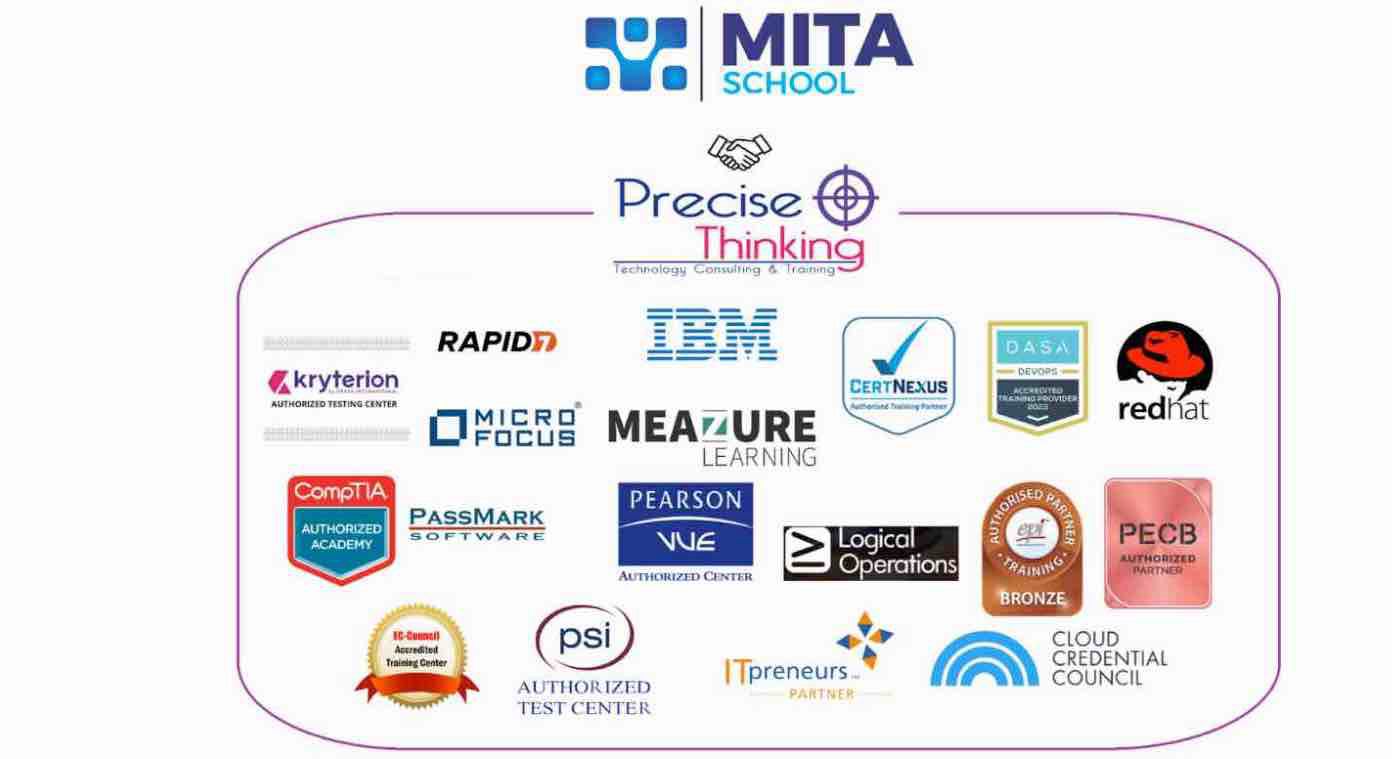
👉 Mita School Partnerships, Affiliations & Global Opportunities for Students in Nigeria