
Why Digital Skills Are Becoming Essential for Young People in Akwa Ibom
In recent years, digital skills have evolved from being optional to becoming a critical necessity for young people across Nigeria. In Akwa Ibom State, this transformation is becoming increasingly visible as more opportunities emerge in technology, remote work, and the global digital economy.
For many young people today, acquiring a digital skill is no longer just about education—it is about survival, economic independence, and long-term growth.
As industries continue to digitize, the demand for skilled individuals who can operate within this new economy continues to rise. This shift presents a unique opportunity for young people in Akwa Ibom to position themselves for both local and global relevance.
The Changing Nature of Work in Nigeria and Beyond
 The traditional model of employment is rapidly changing. Jobs that once required physical presence are now being done remotely, and organizations are increasingly prioritizing skills over formal qualifications.
This shift has created new pathways in areas such as:
- Web development
- Cybersecurity
- Data analysis
- Digital marketing
- UI/UX design
- Content creation
- Blockchain Web3 Development
For young people in Akwa Ibom, this means that geographic location is no longer a limitation. With the right skills, it is now possible to work for companies across Nigeria and even internationally without leaving the state.
Why Digital Skills Matter More Than Ever
There are several reasons why digital skills are becoming essential for young people in Akwa Ibom:
1. Access to Income Opportunities
Digital skills open doors to multiple income streams, including:
- Freelancing platforms (Upwork, Fiverr)
- Remote employment
- Contract-based projects
This allows individuals to earn in both local and foreign currencies.
2. Increased Economic Independence
Unlike traditional jobs, digital careers provide flexibility. Young people can:
- Work from home
- Build personal brands
- Create scalable income streams
This independence reduces reliance on limited local job opportunities.
3. Relevance in a Digital Economy
As businesses move online, digital skills are no longer limited to tech companies. Every industry—from healthcare to finance—now requires digital expertise.
The Opportunity Gap in Akwa Ibom
Despite the increasing demand for digital skills, there remains a significant gap in access to structured and practical training in Akwa Ibom.
Many young people:
- Lack awareness of available opportunities
- Do not have access to mentorship
- Learn outdated or non-practical skills
This creates a disconnect between education and employability.
However, this gap also presents a major opportunity for individuals who take proactive steps toward acquiring relevant skills.
Case Study: From Learning to Earning – A Mita School Experience
To understand the real impact of digital skills, it is important to look beyond theory and focus on practical outcomes.
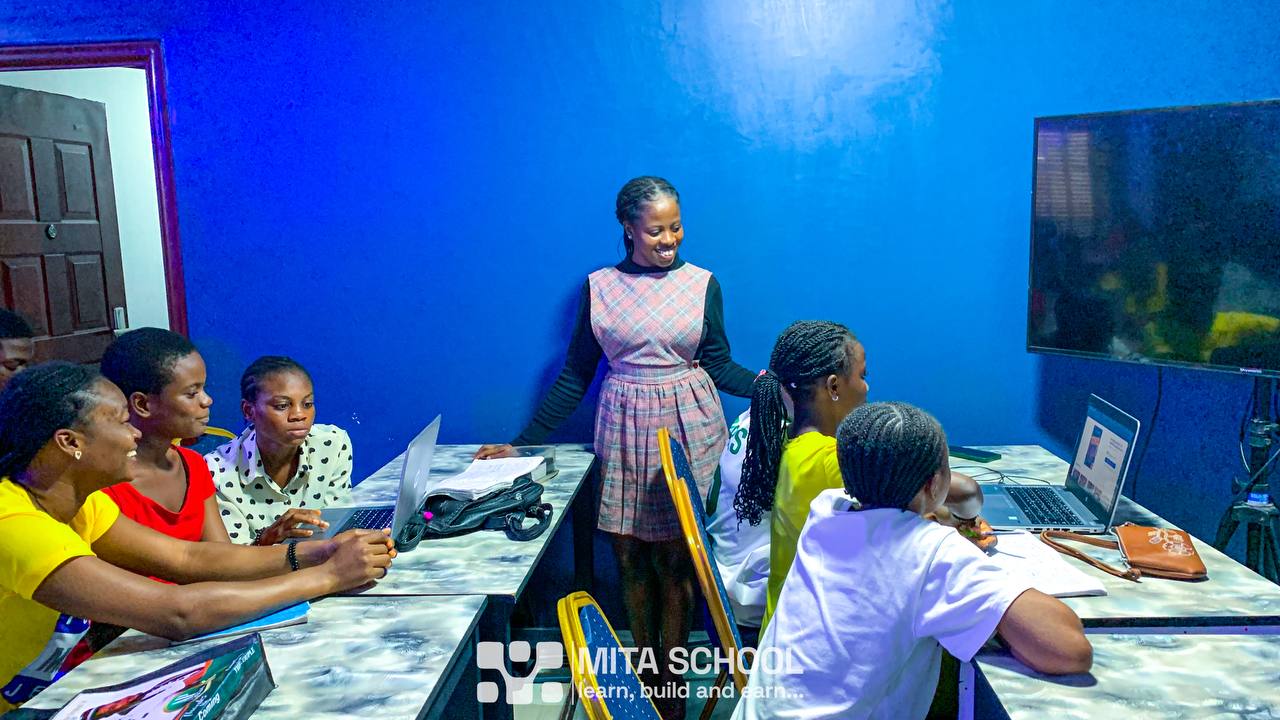
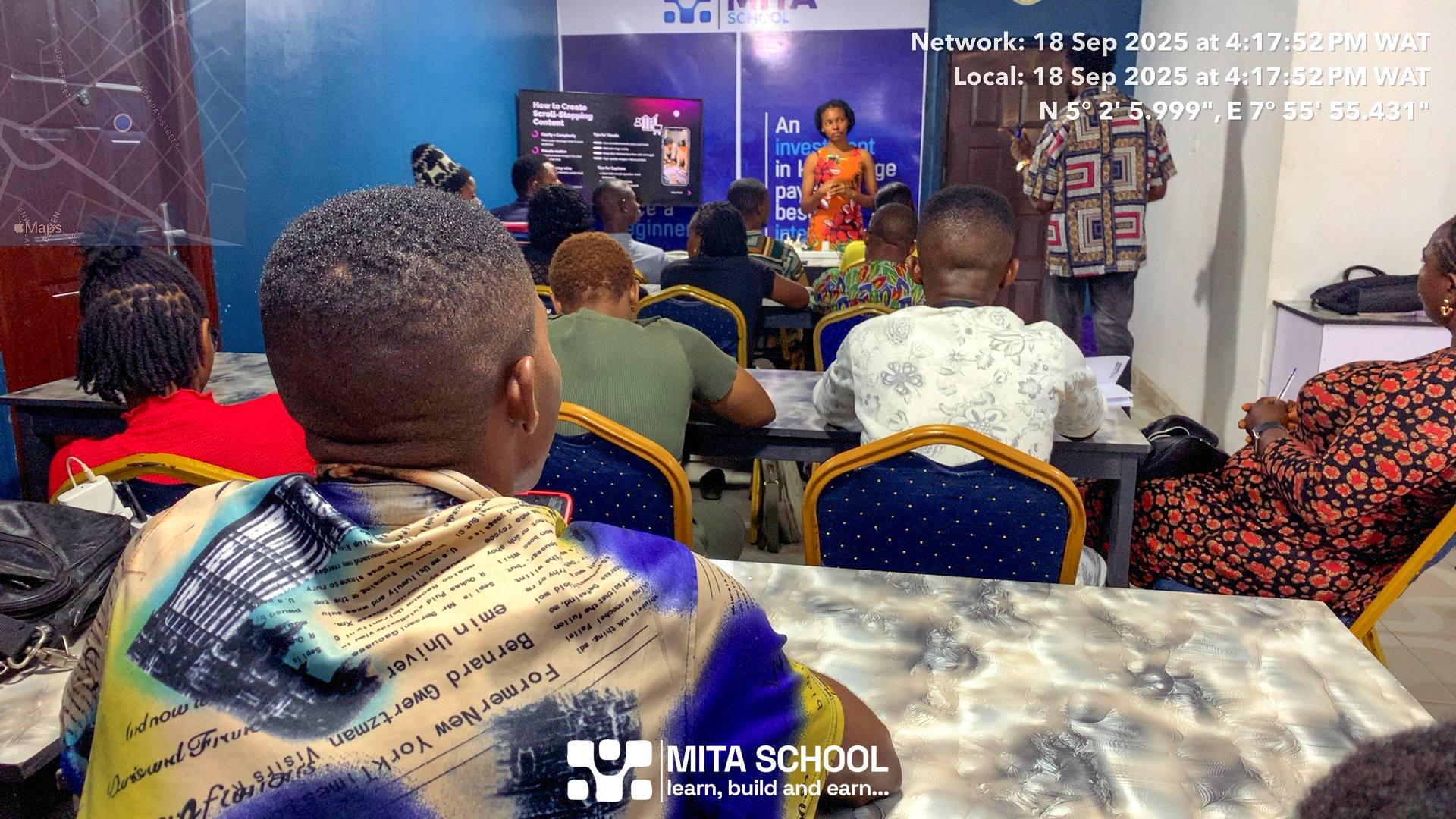
At Mita School, a growing number of young people in Akwa Ibom have transitioned from having little or no digital experience to becoming skilled professionals.
Example Scenario:
A student enrolls in a digital skill program with little prior experience.
Within the first few months:
- They learn foundational concepts
- Begin working on real-world projects
- Receive mentorship and guidance
By the end of the program:
- They have built a portfolio of 3–5 projects
- They understand how to position themselves online
- They begin applying for freelance jobs or internships
In many cases, students go on to:
- Secure freelance gigs
- Work with clients
- Start earning independently
This transition—from learning to earning—is what defines the real value of digital skills.
Bridging the Gap Between Policy and Practical Skills
As government leaders in Akwa Ibom continue to focus on youth development, there is a growing need to ensure that policies translate into real opportunities.
This requires collaboration between:
- Government institutions
- Educational bodies
- Private training organizations
While policies can create an enabling environment, institutions focused on practical skill development play a critical role in preparing young people to take advantage of these opportunities.
The Role of Digital Education in Youth Development
Digital education is no longer just an alternative—it is becoming a central component of youth empowerment.
When properly structured, it provides:
- Practical, job-ready skills
- Exposure to real-world tools
- Opportunities for income generation
This aligns directly with broader development goals focused on reducing unemployment and increasing productivity among young people.
Preparing for the Future: What Young People Must Do
For young people in Akwa Ibom, the responsibility is twofold:
- Recognize the shift happening globally
- Take action early
Practical steps include:
- Identifying a high-demand digital skill
- Enrolling in structured training
- Building a portfolio
- Seeking mentorship
- Applying skills in real-world scenarios
Those who start early will have a significant advantage in the coming years.
Frequently Asked Questions (FAQs)
What are digital skills?
Digital skills refer to the ability to use technology to solve problems, create value, and perform tasks. This includes skills like coding, digital marketing, data analysis, and design.
Are digital skills relevant in Akwa Ibom?
Yes. Digital skills are highly relevant in Akwa Ibom as they provide access to both local and global opportunities without the need to relocate.
How long does it take to learn a digital skill?
Depending on the program and level of commitment, foundational skills can be learned within 3 to 6 months, with continuous improvement over time.
Can I earn money with digital skills as a beginner?
Yes. Many beginners start with small freelance jobs and gradually build experience and income over time.
Do I need a university degree to learn digital skills?
No. Digital skills are largely skill-based rather than degree-based. What matters most is your ability to perform and deliver results.
The Bigger Picture: Building a Digital Economy in Akwa Ibom
As more young people acquire digital skills, the broader impact extends beyond individuals.
It contributes to:
- Economic growth
- Job creation
- Innovation
- Increased global competitiveness
For Akwa Ibom State, this represents an opportunity to position itself as a hub for digital talent in Nigeria.
Conclusion
Digital skills are no longer optional—they are essential. For young people in Akwa Ibom, they represent a pathway to opportunity, independence, and long-term success.
As the world continues to evolve, those who invest in relevant skills today will be better positioned to thrive in the future.