
Across the world, countries investing heavily in STEM education today are positioning themselves for the future economy.
Artificial Intelligence, robotics, automation, cybersecurity, software engineering, digital innovation, biotechnology, and advanced manufacturing are already reshaping industries globally.
The nations preparing young people early for these realities are likely to gain significant long-term advantages.
Nigeria and Africa cannot afford to be left behind.
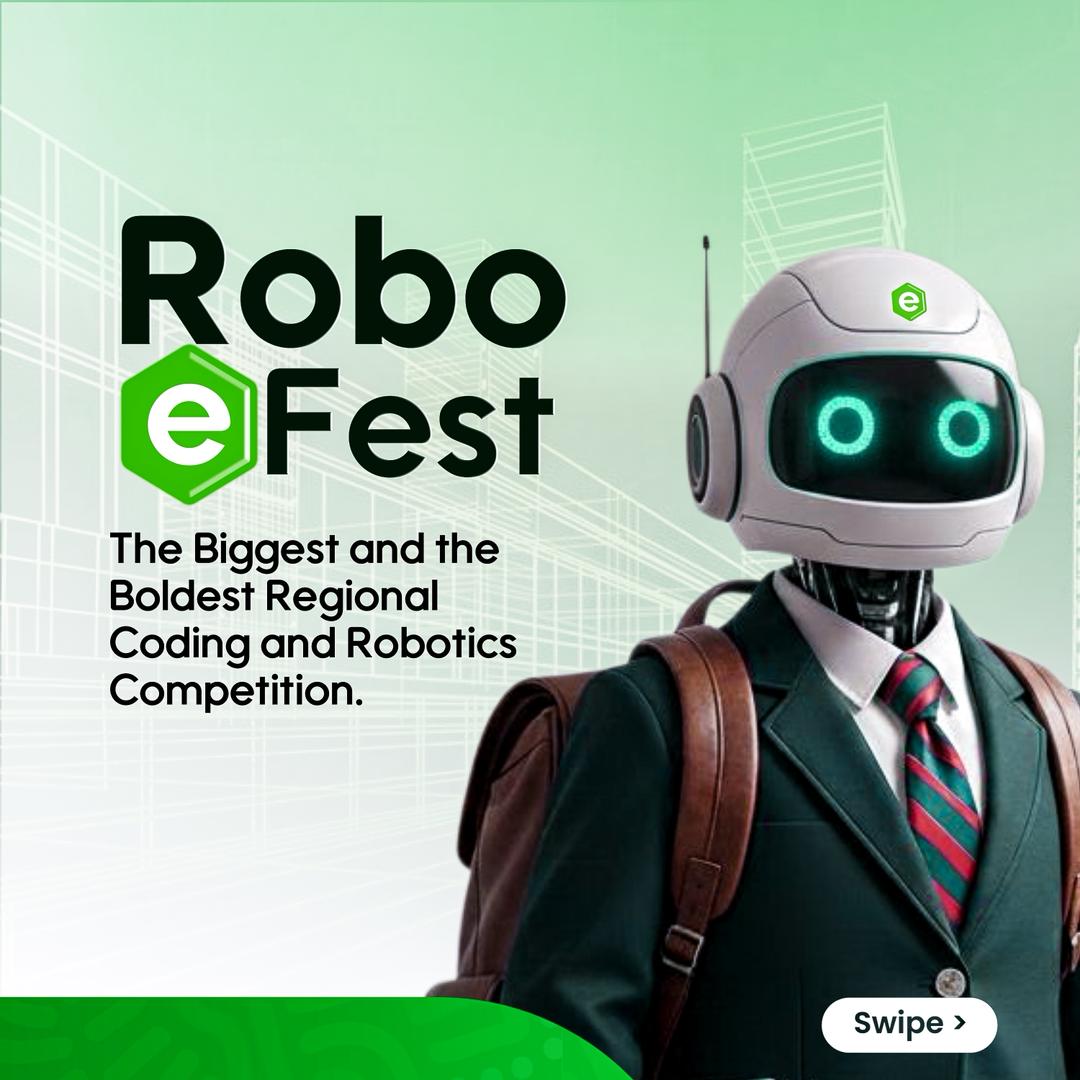
This is why events like RoboeFest are becoming increasingly important.
More than just a robotics or coding event, RoboeFest represents a growing movement focused on exposing children and teenagers to innovation, creativity, practical STEM learning, and future-ready technology skills.
As participation expands beyond Akwa Ibom into states like Bayelsa, Rivers, Abia, and surrounding regions, the event is gradually positioning itself as a broader regional STEM ecosystem for young innovators in Nigeria.
Table of Contents
- What is STEM Education?
- Why STEM Education Matters in Nigeria
- How Technology is Changing the World
- The Problem with Traditional Learning Systems
- Why Events Like RoboeFest Matter
- The Importance of Practical Learning
- Building a Regional STEM Ecosystem
- Future Opportunities for African Children
- Mita School and STEM Innovation
- Final Thoughts
What is STEM Education?
STEM stands for:
- Science
- Technology
- Engineering
- Mathematics
STEM education focuses on helping learners understand how these disciplines connect practically in solving real-world problems.
Instead of memorizing information alone, STEM learning encourages:
- Creativity
- Innovation
- Experimentation
- Critical thinking
- Problem-solving
- Hands-on learning
Globally, STEM education is increasingly becoming one of the foundations of modern economic growth and technological advancement.
Why STEM Education Matters in Nigeria
Nigeria has one of the youngest populations in the world.
This creates both:
- a massive opportunity
- and a serious responsibility
If properly equipped with modern skills, innovation exposure, and technology education, Nigerian youths could become one of Africa’s strongest drivers of digital transformation and innovation.
However, many children still lack access to:
- Practical technology learning
- Hands-on STEM education
- Innovation-focused environments
- Early coding exposure
- Robotics learning opportunities
This is why STEM-focused initiatives are becoming increasingly valuable across the country.
Events, innovation festivals, coding bootcamps, robotics competitions, and technology learning communities help bridge that exposure gap.
How Technology is Changing the World
Technology is no longer optional in modern society.
Artificial Intelligence, automation, robotics, digital systems, and emerging technologies are changing how businesses, governments, schools, hospitals, and industries operate.
Many jobs children will work in during the next 10–20 years may not even fully exist today.
This means future success will increasingly depend on:
- Adaptability
- Innovation
- Digital literacy
- Creative thinking
- Problem-solving abilities
Children exposed early to STEM education are often more comfortable navigating these changes.
More importantly, they begin seeing technology as something they can create with — not just consume.
The Problem with Traditional Learning Systems
One major challenge across many educational systems in Africa is the overdependence on theoretical learning.
Students are often taught primarily to memorize concepts rather than apply them practically.
Unfortunately, innovation rarely grows through memorization alone.
Children learn faster and develop deeper confidence when they:
- Build projects
- Experiment creatively
- Solve practical challenges
- Present ideas publicly
- Collaborate with others
This is one reason practical STEM events and innovation experiences are becoming increasingly important globally.
Why Events Like RoboeFest Matter
RoboeFest is helping create the type of practical exposure many young Africans need.
The event introduces children and teenagers to:
- Robotics
- Coding
- Innovation challenges
- Creative problem-solving
- Technology demonstrations
- Public project presentations
Unlike passive classroom systems, participants are encouraged to actively create, build, explain, and defend projects publicly.
That type of experience helps strengthen:
- Confidence
- Communication abilities
- Creativity
- Critical thinking
- Collaboration skills
The event’s 2026 theme:
“STEM Without Borders: Connecting Creativity Across Communities.”
reflects its broader vision of connecting young innovators across communities and regions.
If you’re new to the event, read:
What is RoboeFest? Everything You Need to Know About Africa’s Growing STEM Festival
How to Register and Join RoboeFest?
 For enquiries, call: 07066735480
The Importance of Practical Learning
Practical learning environments often create stronger long-term educational impact.
When children physically interact with technology, solve challenges, test ideas, and present projects, learning becomes more engaging and memorable.
This is why many global innovation ecosystems emphasize:
- Project-based learning
- Innovation competitions
- STEM festivals
- Hackathons
- Creative experimentation
Children exposed to these environments early often develop stronger confidence in their ability to solve problems independently.
That confidence can shape future career paths, innovation interests, and entrepreneurial thinking.
Building a Regional STEM Ecosystem
One of the most important developments around RoboeFest 2026 is its growing regional participation.
This year’s event is expected to attract participants from:
- Akwa Ibom State
- Bayelsa State
- Rivers State
- Abia State
- Other neighboring regions
That growth matters.
Strong innovation ecosystems are rarely built in isolation.
They grow through:
- community collaboration
- cross-state participation
- shared learning environments
- educational partnerships
- technology exposure
RoboeFest is gradually creating that kind of ecosystem around STEM learning and innovation exposure.
The event is also helping position Uyo and Akwa Ibom more visibly within Nigeria’s growing technology and innovation conversations.
Also read:
RoboeFest 2026 Set to Bring STEM Innovation to Uyo, Akwa Ibom
Future Opportunities for African Children
Children introduced early to STEM education may eventually explore opportunities in:
- Artificial Intelligence
- Software Development
- Robotics Engineering
- Cybersecurity
- Electronics
- Game Development
- Digital Design
- Automation Systems
- Data Science
- Innovation Entrepreneurship
Even beyond career opportunities, STEM education helps children develop:
- creative confidence
- analytical thinking
- adaptability
- problem-solving mindset
Those skills remain valuable regardless of industry.
Interested in Technology Education and Innovation?
At Mita School, we strongly support practical learning, youth innovation, technology education, and future-ready digital skills development.
We believe Africa’s future innovation ecosystem depends heavily on early exposure to technology and practical STEM education.
Mita School and STEM Innovation
As a technology education institution based in Uyo, Akwa Ibom State, Mita School continues to support initiatives focused on:
- Technology education
- Digital skills development
- Innovation exposure
- Youth empowerment
- Practical learning systems
- Future-ready career development
Collaborations around STEM education and innovation-focused events help strengthen the broader ecosystem needed to prepare young Africans for the future economy.
We believe practical exposure, mentorship, creativity, and innovation-driven learning environments are increasingly important for the next generation.
Related Articles
What is RoboeFest? Everything You Need to Know About Africa’s Growing STEM Festival
Why Nigerian Children Should Learn Robotics and Coding Early
RoboeFest 2026 Set to Bring STEM Innovation to Uyo, Akwa Ibom
Learn Python Programming at Mita School
Learn Web Development at Mita School
Visit the Mita School Blog
Final Thoughts
The future of STEM education in Nigeria will not be built by theory alone.
It will be built through practical learning environments, innovation communities, collaborative ecosystems, and events that expose children to real-world creativity and technology experiences early.
That is why initiatives like RoboeFest matter.
They help children move from passive technology consumption into active innovation, experimentation, and problem-solving.
And as more communities, schools, organizations, educators, and technology stakeholders contribute to this movement, Nigeria’s future innovation ecosystem becomes stronger.