
The Role of Leadership in Youth Development: Lessons from Akwa Ibom State
Nigeria is a country of young people. That reality presents an enormous opportunity, but it also places a serious responsibility on leaders, institutions, communities and organisations responsible for preparing young Nigerians for the future.
A young population can become a powerful engine for innovation, entrepreneurship, productivity and economic growth. But population size alone does not create prosperity. Young people need access to quality education, practical skills, mentorship, opportunities, supportive policies and systems that allow them to turn their abilities into meaningful work.
This is where leadership and youth development become closely connected.
Across Nigeria, many young people are already trying to improve their lives. They are learning digital skills, starting businesses, searching for jobs, freelancing, building online brands and looking for ways to participate in the economy. Yet many still struggle to find clear pathways from learning to employment and from potential to sustainable income.
Akwa Ibom State provides an interesting example of this challenge.
The state has invested heavily in infrastructure and has continued to place youth development on the public agenda. At the same time, many young people still ask difficult questions about unemployment, employability, skills, entrepreneurship and access to sustainable opportunities.
So the important question is not simply whether leadership is doing something for young people.
The better question is:
Are the systems being created actually helping young people become more capable, employable and economically independent?
This article examines the role of leadership in youth development, the lessons that can be drawn from Akwa Ibom State, and why practical skills, technology education, mentorship and collaboration must become a bigger part of Nigeria’s approach to preparing young people for the future.
Table of Contents
- When Leadership Fails the Young, the Future Suffers
- A Brief Historical Context of Akwa Ibom State
- What Leadership Really Means in Youth Development
- The Akwa Ibom Model: Progress, Potential and Gaps
- Why Youth Unemployment Requires More Than Empowerment Programmes
- The Growing Tech Skills Gap in Nigeria
- What Effective Leadership Should Look Like
- Why Skills Development Must Become Part of Youth Policy
- The Role of Public-Private Partnerships
- How Structured Learning Changes Youth Outcomes
- The LEAD Framework for Youth Development
- Frequently Asked Questions
- Final Thoughts
When Leadership Fails the Young, the Future Suffers
Leadership influences almost every environment in which young people develop.
It affects the quality of schools they attend, the infrastructure available to them, the policies that shape employment, the availability of training opportunities and the economic environment in which businesses operate.
When leadership is intentional and future-focused, young people have more opportunities to develop.
When leadership is reactive or focused mainly on short-term results, the consequences can be very different.
Youth unemployment can increase.
Skills gaps can become wider.
Young graduates can spend years searching for work.
Talented people can leave the state or country in search of better opportunities.
Entrepreneurial potential can remain unused.
The problem is therefore bigger than unemployment alone.
A young person who spends four years in university but leaves without practical skills, work experience, mentorship or a clear understanding of how to participate in the economy is facing a development problem.
This is why youth development cannot be reduced to occasional empowerment events or the distribution of materials.
Those interventions may help individuals in the short term, but sustainable youth development requires systems.
It requires asking:
- What skills do young people need?
- Which industries are growing?
- What businesses are hiring?
- What opportunities can be created locally?
- What can young people sell globally?
- How can education connect with industry?
- How can government, schools and private organisations work together?
These questions move the conversation from “What can we give young people?” to “How can we prepare young people to create value?”
That is a much more powerful approach to leadership.
Learn Practical Digital Skills in Nigeria
One way to strengthen youth development is to give young people access to practical technology education that connects learning with real-world application.
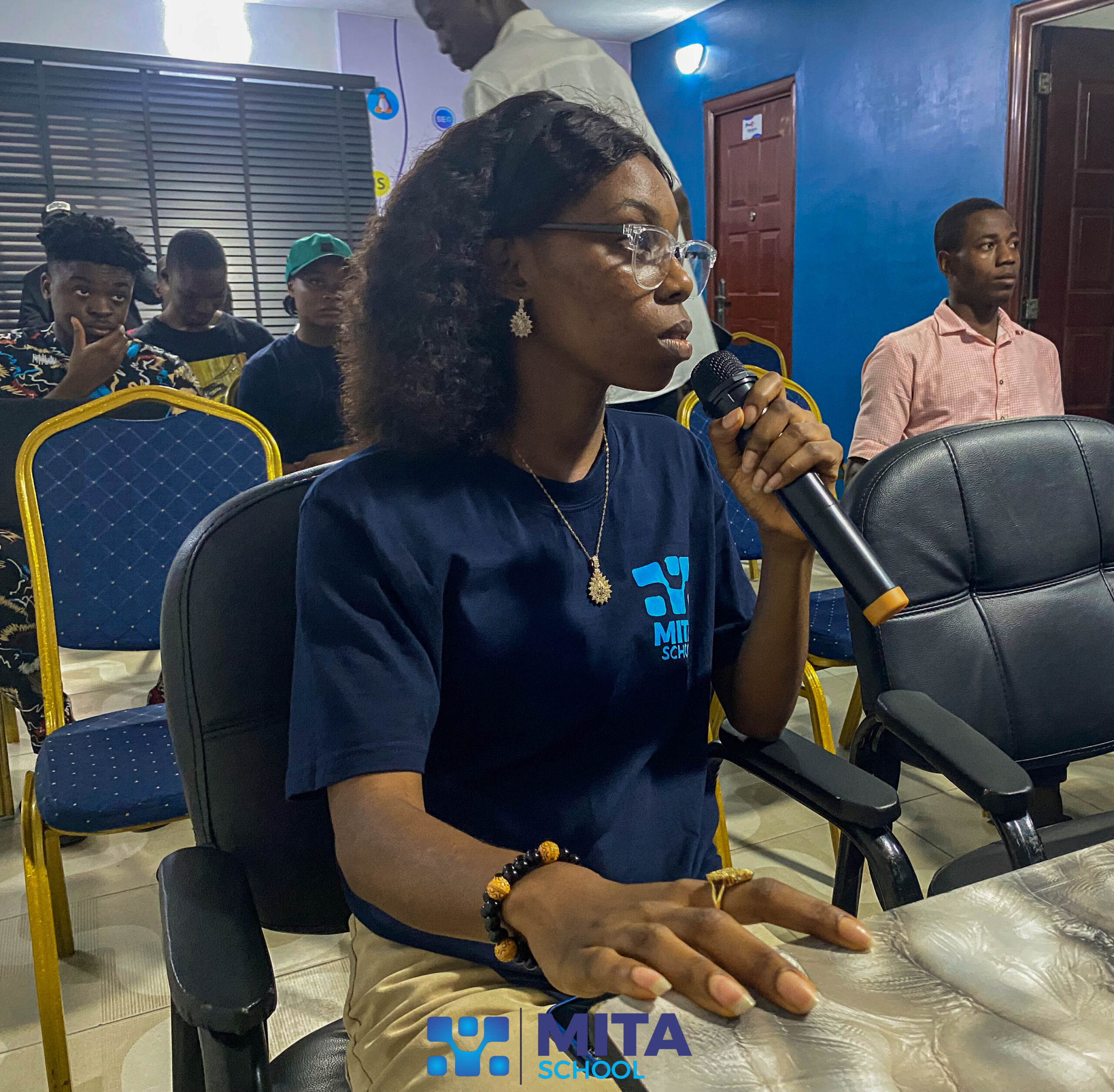
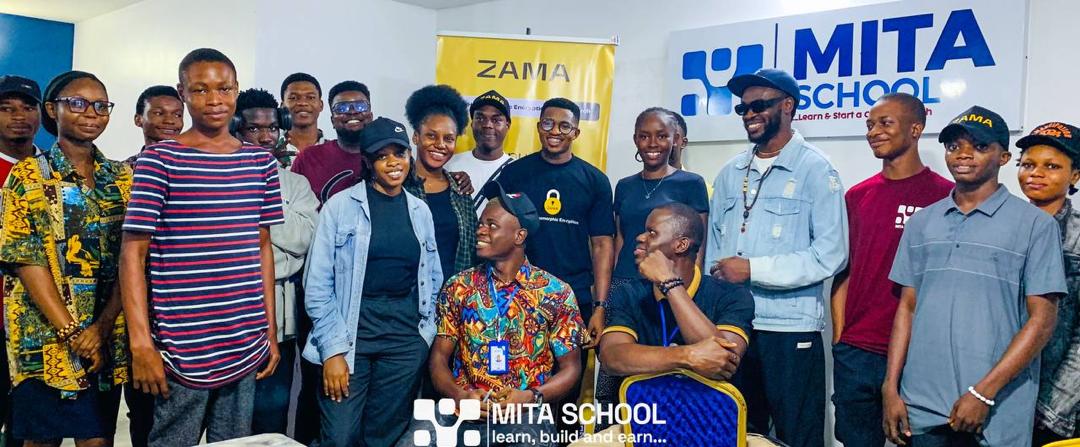
Mita School provides structured digital skills training in Uyo, including practical learning, mentorship and real-world projects. mitaschool.com

A Brief Historical Context of Akwa Ibom State
Akwa Ibom State was created on September 23, 1987, from the former Cross River State.
Since its creation, the state has developed significantly, particularly in areas such as infrastructure, urban development, education, hospitality and its broader contribution to Nigeria’s oil and gas economy.
Uyo, the state capital, has also experienced considerable physical development over the years.
Roads, public buildings, hospitality facilities and other infrastructure have changed the appearance and economic environment of the state.
But physical development is only one part of development.
A state can build roads and public facilities while still struggling to ensure that its young population has access to sustainable economic opportunities.
This distinction is important.
Infrastructure develops places. Human capital develops people. Sustainable development needs both.
For youth development, this means that investment cannot stop at physical infrastructure.
Young people also need the ability to use the opportunities created by a growing economy.
Consider a young graduate in Uyo.
A new business opens.
A company needs digital marketing.
A construction project needs technical professionals.
A business needs a website.
An organisation needs someone to analyse its data.
A company needs cybersecurity support.
A creator needs video production.
Infrastructure and economic activity may create the environment for these opportunities, but skilled people are required to take advantage of them.
That is where leadership has another responsibility: building human capacity alongside physical development.
What Leadership Really Means in Youth Development
Leadership in youth development goes beyond political office.
Government leadership is important, but it is only one part of the system.
Schools, universities, businesses, community organisations, training institutions, parents, mentors and young people themselves all influence youth development.
| Leadership Area | Potential Impact on Youth |
|---|---|
| Political leadership | Policies, funding, infrastructure and employment programmes |
| Educational leadership | Curriculum, teaching quality and practical learning |
| Institutional leadership | Skills training, mentorship and career development |
| Business leadership | Internships, employment and industry exposure |
| Community leadership | Support systems and local opportunities |
| Youth leadership | Innovation, entrepreneurship and peer influence |
The problem begins when these parts operate separately.
A university may teach theory without sufficient industry exposure.
A government programme may provide training without a clear employment pathway.
A young person may learn a skill without finding a mentor.
A company may need talent but struggle to find people with practical experience.
These gaps create a disconnect between education, skills and opportunity.
Good leadership should therefore create alignment.
Young people should not have to navigate the entire system alone.
They need pathways that make it easier to understand what to learn, where to learn it, how to practise it and how to convert it into economic value.
The Akwa Ibom Model: Progress, Potential and Gaps
Akwa Ibom’s youth development conversation has increasingly included ideas around productivity, entrepreneurship, skills and economic participation.
The state’s Dakkada philosophy, for example, placed emphasis on productivity, self-development and the idea that people should contribute meaningfully to the development of the state.
There have also been youth-focused initiatives and programmes designed to improve entrepreneurship, employability and participation.
More recently, the state’s approach has included stronger conversations around identifying youth skills and connecting young people with opportunities. The state’s ARISE Youth Employment Portal, for example, is designed to collect information about unemployed young people, including their educational and professional capabilities, and help government identify youth skills for opportunities.Arise Youth Employment Portal
These developments are important because they point toward a more structured way of thinking about youth development.
But there is still a larger question:
What happens after the programme?
A young person can attend a training programme.
They can receive a certificate.
They can even receive equipment.
But if they cannot find customers, employment, mentorship, further training or a market for their skills, the long-term impact may remain limited.
This is why the next stage of youth development should focus heavily on continuity and outcomes.
Leadership should be interested not only in:
“How many young people attended?”
but also:
- How many completed the programme?
- How many developed usable skills?
- How many secured employment?
- How many started businesses?
- How many increased their income?
- How many gained industry experience?
- How many are still using those skills one year later?
Those questions provide a much clearer picture of whether a youth development programme is actually working.
Why Youth Unemployment Requires More Than Empowerment Programmes
One of the biggest mistakes in youth development is treating unemployment as a problem that can be solved simply by giving people something.
A laptop can help.
A grant can help.
A training programme can help.
Equipment can help.
But none of these things automatically create sustainable employment.
The missing component is often capacity plus opportunity.
Imagine giving someone a sewing machine without teaching them how to produce quality products, price their work, market their business and find customers.
The equipment is useful, but the system is incomplete.
The same principle applies to digital skills.
Giving someone a laptop does not make them a web developer.
Giving someone access to a design application does not make them a UI/UX designer.
Giving someone a certificate does not automatically make them employable.
The real transformation happens when people acquire:
Knowledge + Practice + Experience + Mentorship + Opportunity
That combination is much more powerful.
For leadership, this means youth programmes should be designed around complete pathways rather than isolated interventions.
The Growing Tech Skills Gap in Nigeria
Technology is changing how businesses operate.
Companies now depend on websites, digital communication, data, online marketing, software systems, cybersecurity and digital customer experiences.
This creates opportunities for people with practical technology skills.
But opportunity does not automatically translate into employment.
A young person needs to be prepared to take advantage of it.
Skills such as:
- Web development
- Data analysis
- Cybersecurity
- Digital marketing
- UI/UX design
- Python programming
- No-code development
- App development
can provide different pathways into the digital economy.
The important point is not that every young person should become a programmer.
That would be unrealistic.
The point is that young people should have access to modern skills that match the direction of the economy.
For someone who enjoys numbers and problem-solving, data analysis may be appropriate.
For someone who enjoys visual design, UI/UX may make more sense.
Someone interested in technology and security may explore cybersecurity.
Someone interested in communication, branding and business growth may find digital marketing more suitable.
Leadership should therefore create environments where young people can discover these possibilities and receive guidance before committing significant time and resources.
What Effective Leadership Should Look Like
1. Structure Over Sentiment
Youth development should not depend on occasional enthusiasm.
A sustainable system needs structure.
Programmes should have clear objectives, timelines, learning outcomes, mentorship systems and follow-up.
The goal should be to create pathways that continue producing results rather than isolated activities that disappear after completion.
2. Outcomes-Based Accountability
Youth development should be measured by outcomes, not only attendance.
Instead of saying:
“5,000 youths were trained.”
Leadership should be able to answer:
“How many of those young people are now earning, employed, running businesses or using the skills they acquired?”
That change in measurement can fundamentally improve programme quality.
3. Technology as Essential Infrastructure
Technology education should no longer be treated as an optional extra.
Digital literacy increasingly affects education, business, employment and communication.
Young people who understand digital tools have more ways to participate in the modern economy.
4. Mentorship Systems
Training without guidance can leave beginners confused.
Mentorship gives young people access to people who have already navigated the path.
A mentor can help someone understand:
- What to learn
- What mistakes to avoid
- How to build a portfolio
- How to find opportunities
- How to improve their work
- How to transition from learning to earning
5. Public-Private Partnerships
Government cannot solve youth unemployment alone.
Private organisations already understand industry requirements and can provide training, internships, mentorship and employment pathways.
Schools and training organisations can provide practical education.
Businesses can provide real-world exposure.
Government can create supportive policies and infrastructure.
When these groups work together, youth development becomes stronger.
Why Skills Development Must Become Part of Youth Policy
Skills development should not be treated as a side project within youth development.
It should be central to it.
A young person with useful skills has more options.
They can apply for jobs.
They can freelance.
They can work remotely.
They can start a business.
They can support an existing business.
They can create products.
They can collaborate with people outside their immediate location.
That flexibility matters in an economy where traditional employment opportunities may not grow quickly enough to absorb every graduate.
This does not mean that everyone should abandon university or formal education.
Formal education remains valuable.
The stronger approach is to combine education with practical skills.
A graduate who has a degree and can analyse data has a different level of employability from a graduate who has only academic knowledge.
A business graduate who understands digital marketing can create opportunities beyond traditional employment.
An engineering graduate who understands relevant digital tools can expand their professional capabilities.
This is the type of human capital development leadership should encourage.
The Role of Public-Private Partnerships
The private sector has an important role to play because businesses understand the skills they actually need.
Training institutions can also respond faster to industry changes than traditional educational systems.
This creates an opportunity for collaboration.
Government can support access.
Private institutions can provide training.
Businesses can provide practical projects and internships.
Mentors can provide career guidance.
Young people can provide the energy and willingness to learn.
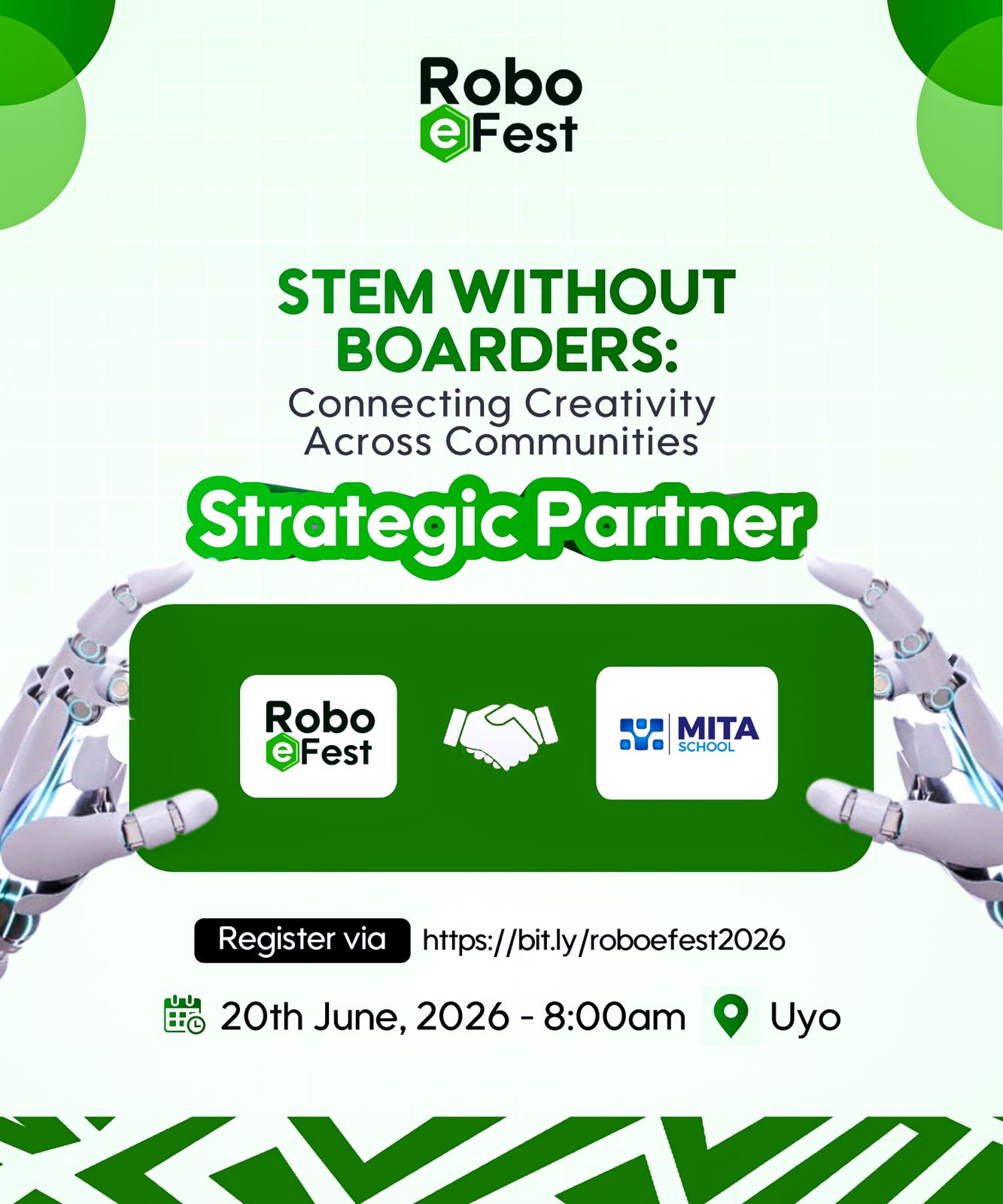
Mita School is one example of a private technology education organisation operating within Uyo. Its programmes focus on practical digital skills, mentorship and real-world projects rather than theory alone. (mitaschool.com)
The school’s existing programmes include areas such as data analysis, cybersecurity, web development and other technology skills. (mitaschool.com)
That model demonstrates why collaboration matters.
Youth development becomes more meaningful when learning is connected to the real world.
How Structured Learning Changes Youth Outcomes
There is a difference between having access to information and having a learning system.
Today, anyone with an internet connection can find thousands of tutorials.
The problem is that abundance can create confusion.
A beginner may start one course, abandon it after two weeks, start another, watch random YouTube videos and eventually stop learning altogether.
Structured learning solves part of this problem by providing direction.
A structured programme can tell a learner:
Start here. Learn this next. Practise it. Build something. Get feedback. Improve. Move forward.
That progression is important.
Mita School’s programmes are designed around guided learning and practical application, with courses available for beginners and learners without previous technology experience. (mitaschool.com)
For example, someone interested in data can explore Mita School’s Data Analysis training, while someone interested in building websites and applications can explore Full Stack Web Development.
The bigger lesson is not that every young person must attend one particular school.
It is that young people need access to structured pathways that turn interest into competence.
The LEAD Framework for Youth Development
A useful way to think about leadership in youth development is through four principles:
L — Listen
Leadership should begin by understanding what young people actually experience.
What are their biggest barriers?
What skills do they want?
What opportunities are available?
What prevents them from accessing those opportunities?
Listening should involve data, conversations and direct engagement with young people.
E — Embed
Technology and skills development should be embedded into broader development planning.
Digital skills should not exist separately from employment policy, entrepreneurship programmes or education.
They should be connected.
A — Align
Government, educational institutions, private businesses, communities and youth organisations should work toward shared outcomes.
A young person should not have to move through five disconnected programmes to find a pathway into employment.
The system should make those connections easier.
D — Demand Accountability
Finally, leadership must demand measurable results.
Youth development should be evaluated based on what changes in people’s lives.
How many gained skills?
How many found work?
How many started businesses?
How many increased their income?
How many remained economically active?
Those are the outcomes that matter.
Frequently Asked Questions
Why is leadership important in youth development?
Leadership influences the policies, institutions, funding, education systems, infrastructure and opportunities available to young people. Effective leadership can create systems that help young people develop skills and participate meaningfully in the economy.
What are the major youth development challenges in Akwa Ibom?
Young people can face challenges including unemployment, underemployment, limited access to practical skills, inadequate mentorship and difficulty connecting their education with available economic opportunities.
Why are digital skills important for Nigerian youths?
Digital skills can expand the number of ways young people participate in the economy. Depending on the skill, opportunities can include employment, freelancing, remote work, entrepreneurship and supporting businesses.
Should every young person learn technology?
No. Technology is not the only pathway to success. However, digital literacy and relevant technology skills are becoming increasingly useful across many industries. Young people should have the opportunity to explore these skills and determine whether they fit their interests and goals.
How can government improve youth development?
Government can improve youth development by focusing on practical skills, measurable outcomes, mentorship, employment pathways, entrepreneurship support, industry partnerships and policies that encourage private-sector growth.
What role can private organisations play?
Private organisations can provide practical training, mentorship, internships, industry exposure and employment opportunities. They can also help ensure that training reflects actual market needs.
Final Thoughts
The role of leadership in youth development goes far beyond creating programmes or announcing initiatives.
Real leadership is about building systems that help young people move forward.
Akwa Ibom State demonstrates both the possibilities and the challenges involved.
The state has economic potential, infrastructure, ambitious young people and an increasingly important conversation around skills and employment. But potential only becomes progress when people are equipped to participate in the opportunities around them.
That is why the future of youth development cannot be built around certificates alone.
It must include skills, mentorship, experience, access and opportunity.
Young people do not simply need to be empowered for a day.
They need to become capable enough to create value for years.
They need opportunities to learn.
They need places to practise.
They need people to guide them.
They need businesses willing to give them opportunities.
And they need leadership that measures success by what happens after the programme ends.
The responsibility is therefore shared.
Government has a role.
Schools have a role.
Businesses have a role.
Communities have a role.
Training organisations have a role.
And young people themselves have a role.
The goal should not simply be to produce young people who have certificates.
The goal should be to produce young people who can solve problems, create value, earn sustainably, build businesses, contribute to organisations and compete in a changing economy.
That is what meaningful youth development should look like.
And that is where leadership matters most.
Build Skills for the Future
For young people in Akwa Ibom, one practical starting point is gaining skills that can be applied beyond the classroom.
Explore Mita School’s courses and find a practical learning path that matches your interests, career goals and current level.
Because leadership can create the environment.
Education can open the door.
But skills give young people the ability to walk through it.